
Manuel ve Otomatik Tohumlama Makineleri arasında nasıl karar verilir?,
Tesis tarımı ve büyük ölçekli yetiştiriciliğin gelişmesiyle, fide üretiminde verimlilik ve tutarlılık talepleri artmaya devam ediyor. Manuel fidanlık tepsisi tohum ekicileri ve tamamen otomatik fidan ekim makineleri, farklı ölçeklerde ve ihtiyaçlara uygun iki ana ekipman seçeneği olarak hizmet veriyor. Uygun tipi seçmek, işçilik maliyetlerini önemli ölçüde azaltabilir ve fide kalitesini artırabilir.
Manuel tipte fide tepsisi ekicisi
Manuel fide tepsisi özellikleri basit yapıya sahiptir ve toprak yayma, tohum yerleştirme ve toprak kaplama gibi görevlerde esas olarak manuel iş gücüne dayanır. Düşük ekipman maliyeti ve esnek işletme özellikleri, aile çiftlikleri, küçük fide merkezleri veya erken aşama girişimciler için uygundur.
Genellikle, manuel fide tepsileri saatte 200–300 tepsi işleyebilir. Her bir birim sadece 1–2 operatör gerektirir, ön maliyetleri düşüktür, bakım maliyetleri azdır ve göreceli olarak düşük güç ve alan ihtiyacı vardır.
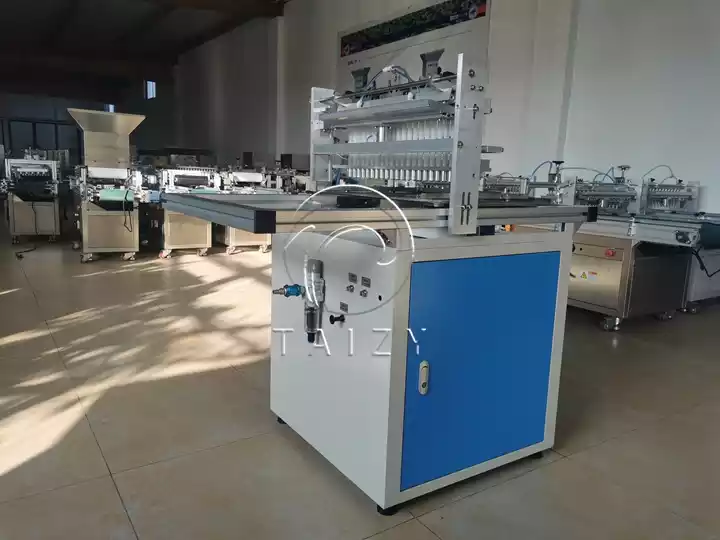
Tam otomatik ekim makinesi
Tam otomatik fide makineleri tepsi yükleme, toprak doldurma, delik sıkıştırma, tohum ekme, toprak kaplama ve sulama gibi sürekli işlemleri gerçekleştirir, manuel katılımı önemli ölçüde azaltır. Stabil çalışma, hassas ekim sağlar ve fide tutarlılığını –30 artırır.
Yapılandırmaya bağlı olarak, üretim kapasitesi saatte 500–1200 tepsi arasında değişir ve işçilik maliyetlerini `'tan fazla tasarruf sağlar. Bu, büyük ölçekli fide merkezleri, sebze üretim tesisleri ve modern tarım parkları için özellikle uygundur.
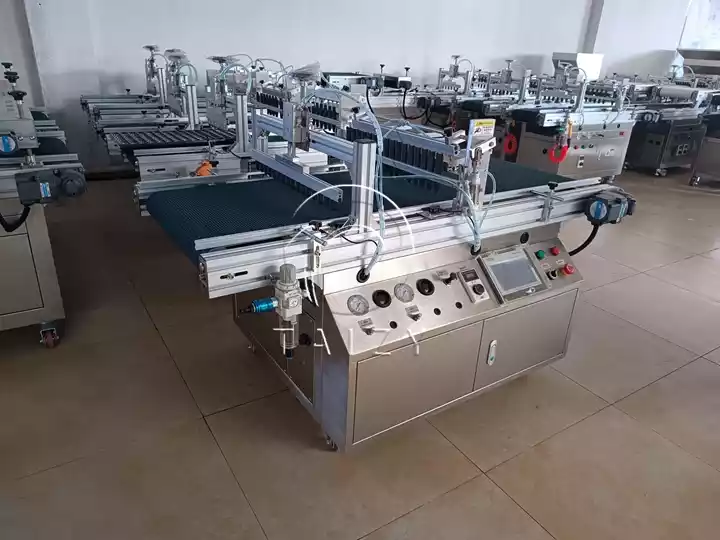
Maliyet ve verimlilik temelinde akıllı bir seçim yapın
Yatırım açısından, manuel fide makineleri genellikle birkaç bin dolar ile çalışmaya başlar. Tam otomatik fide makineleri ise, otomasyon seviyelerine bağlı olarak on binlerce dolara kadar çıkabilir.
Uzun vadede, tam otomatik ekipmanlar işçilik tasarrufu, verim artışı ve fide tutarlılığı açısından açık avantajlar sunar, sürdürülebilir ve istikrarlı üretimi kolaylaştırır.
Çözüm
Kısıtlı bütçeye sahip küçük ölçekli işletmeler için manuel fide makineleri ekonomik ve pratik bir seçim sunar. Yüksek verimlilik, standartlaştırılmış üretim ve uzun vadeli genişleme planlayanlar için ise, tam otomatik ekim makineleri daha rekabetçi olmayı sağlar. Akıllı seçimler yaparak, fide aşaması gerçekten bir verimlilik artış kaynağı haline gelir, yük değil.