
Is Automatic Drum Tray Seeder Worth It? Full Cost & ROI Analysis
For commercial nurseries and greenhouse operators, consistent tray seeding quality directly impacts labor bills, seed waste and seedling uniformity. Manual sowing remains common for small growers, yet it creates recurring headaches: slow throughput, uneven seed placement and heavy reliance on seasonal workers.
The automatic drum tray seeder has emerged as a popular automation upgrade for modern seedling production. Many growers still wonder whether the investment pays off over time. This cost and benefit breakdown helps you decide if this machine fits your nursery operation.
Understanding the total costs of an automatic drum tray seeder
When evaluating an automatic drum tray seeder, look beyond the upfront purchase price and account for all ongoing expenses.
- Initial capital cost: Standard modular units range from $3,000 to $10,000. Pricing changes based on automation level, optional soil filling and covering modules.
- Routine maintenance: Daily cleaning of the vacuum drum and seed holes prevents clogging. Annual maintenance usually stays under 3% of the machine price, with only simple wear parts needing periodic replacement.
- Operator training: Staff can master touchscreen settings and basic troubleshooting within a couple of hours. No advanced engineering skills are required to run the machine.
Core production benefits of an automatic drum tray seeder
The biggest value comes from solving manual seeding pain points and boosting your nursery output.
- Higher working speed: Manual workers handle roughly 30–50 trays per day. A drum tray seeder can process hundreds of trays hourly, removing bottlenecks during busy planting seasons.
- Excellent sowing precision: Vacuum drum design delivers over 95% accuracy for pelletized and many irregular seeds. It reduces missing or double seeding and cuts waste of expensive flower and vegetable seeds.
- Labor savings: A full line only needs a small crew, slashing manual seeding labor costs by around 70%.
- Uniform seedlings: Consistent seed depth and spacing create even germination, improving seedling survival rate and market quality.
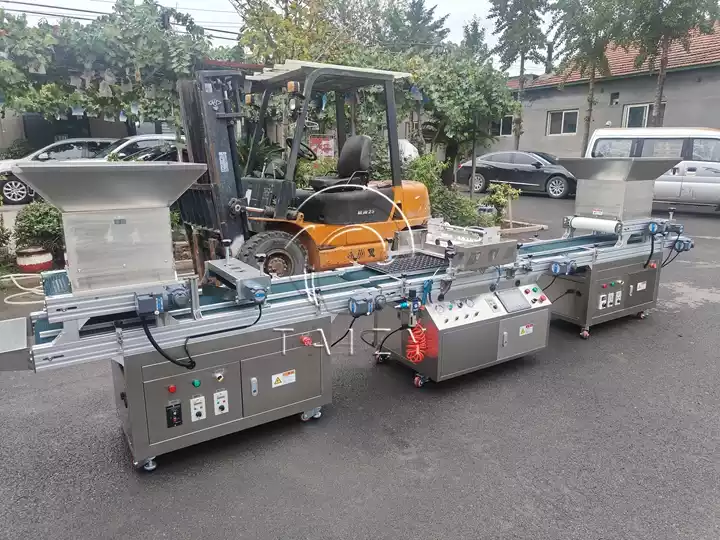
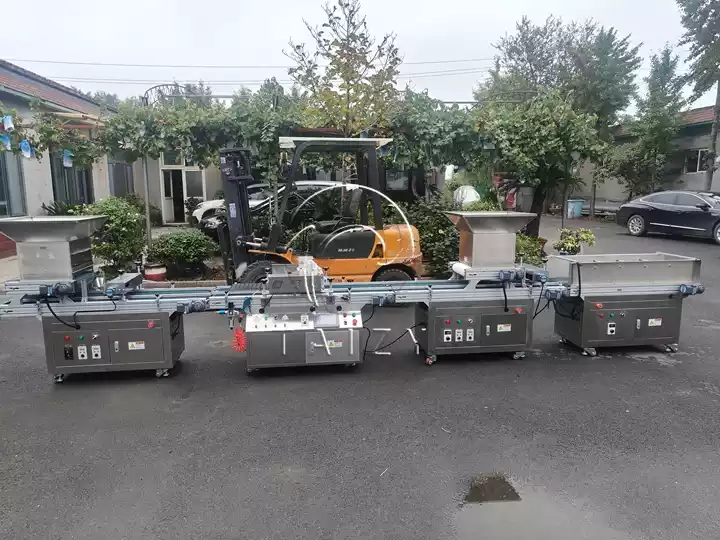
ROI comparison: short-term expense versus long-term returns
Return on investment depends heavily on your annual tray volume.
- Medium and large nurseries: Operations sowing more than 10,000 trays per year can recover most investment within 1–2 years from labor and seed savings.
- Long-term gains: With a service life of 5+ years, the machine continues delivering savings after payback. Stable seedling quality also builds repeat business from your buyers.
- Small-scale operations: Farms with just a few hundred trays per year will see limited benefit and longer payback periods.
Realistic limitations before buying this nursery seeding machine
The automatic drum tray seeder is powerful, but it is not a one-size-fits-all solution.
- It works best with standard-sized nursery trays. Custom odd-shaped trays may hurt seeding accuracy.
- Daily cleaning is mandatory. Built-up debris on the vacuum drum will reduce precision if ignored.
- It suits batch, continuous production. For tiny, sporadic sowing jobs, manual work may remain more practical.
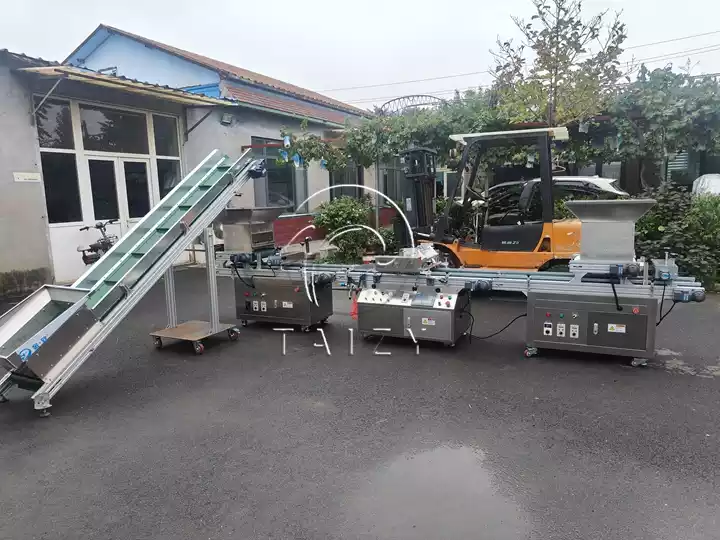
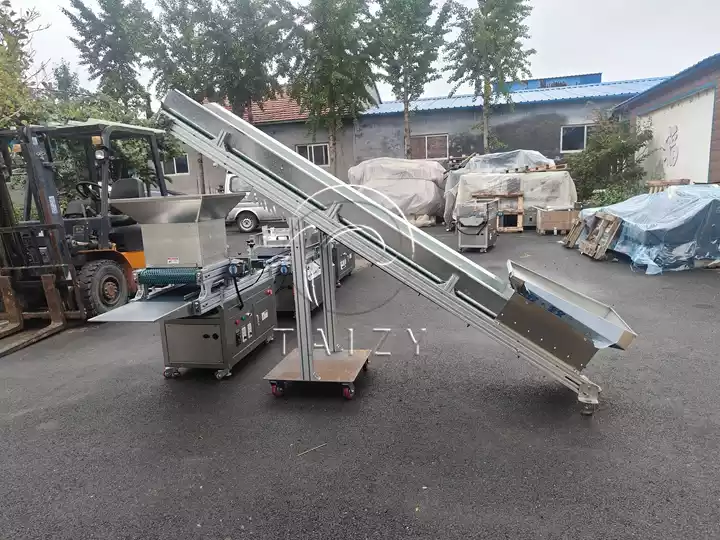
Practical ways to maximize your machine’s return on investment
These simple steps help you get the best performance from your equipment.
- Select modular configurations. Pair the seeder with soil filling and soil covering units for a complete automated workflow.
- Stick to scheduled cleaning and part inspections to avoid unexpected downtime during peak season.
- Test your seed types and tray sizes before full production runs to fine-tune speed and vacuum settings.
Contact us
Itu automatic drum tray seeder machine is a worthwhile investment for commercial nurseries with steady, medium-to-large seeding demands. It trades a one-time equipment purchase for lasting labor savings, less seed waste and uniform, high-quality seedlings. For small growers with low output, manual sowing may remain the better choice.