
Can a Automated Seedling Machine Reduce Labor Costs in Plant Production?
As modern agriculture demands ever-increasing efficiency and scale, automated seedling machines have become essential equipment for greenhouses, vegetable bases, and fruit and vegetable nurseries. Automated seedling production not only boosts productivity but also significantly reduces labor costs, making farm operations easier and more profitable.
Efficient automated seedling machine reduces manual labor
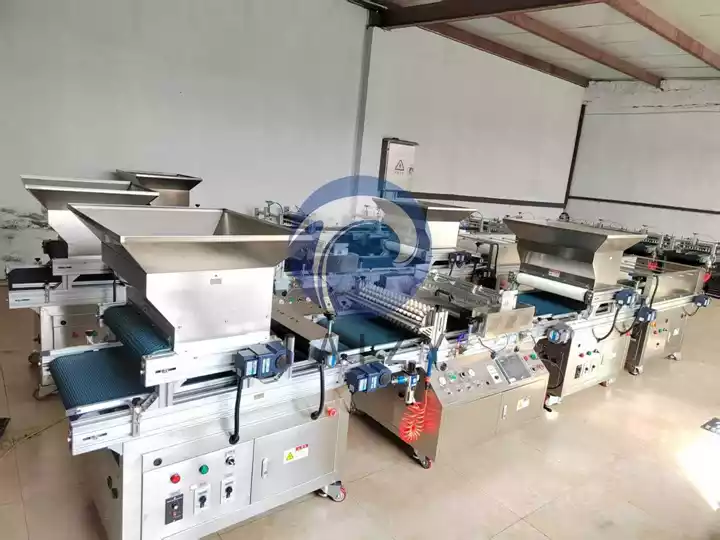
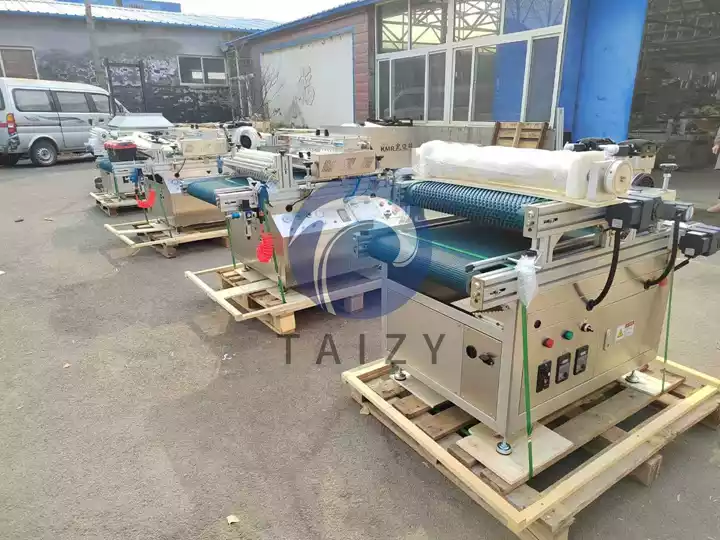
Traditional seedling cultivation requires significant manual labor for sowing, transplanting, and soil preparation, resulting in heavy workloads and low efficiency. Seedling machines achieve batch processing through automated sowing, automatic soil compaction, and adjustable row and plant spacing:
- A single seedling machine can simultaneously process multiple seedbed rows, substantially reducing the number of workers required.
- Precise sowing and uniform seedling growth enhance seedbed survival rates while minimizing repetitive manual tasks.
- Automated operation shortens the seedling cultivation cycle and boosts overall production capacity.
Video demonstrations clearly show the seedling machine completing both sowing and bed preparation in a single pass, enhancing efficiency while reducing labor consumption.
Suitable for multiple crops to reduce production costs
The seedling machine is not only suitable for vegetable seedlings such as tomatoes, peppers, carrots, and Chinese cabbage, but also for fruit seedlings, flower seedlings, and medicinal plant seedlings.
- Its multi-functional design allows adjustment of row spacing and plant spacing according to crop type, meeting diverse production needs.
- Batch seedling production reduces labor, soil, and seedling tray waste, lowering unit costs.
- High-precision seedling cultivation ensures healthy seedling growth and minimizes losses caused by manual operational errors.
Enhancing management efficiency and production stability
The automation of seedling machines not only reduces labor burdens but also facilitates production management:
- Seeding density and seedbed layout are easily adjustable, improving field management efficiency.
- Equipment operation is straightforward, enabling a small team to complete seeding and seedbed preparation for entire plots.
- Long-term use reduces reliance on manual labor, helping farms achieve scaled and standardized management.
Conclusion
Seedling machines enable farms to reduce labor input, enhance seedling production efficiency, and ensure seedling quality through batch processing and intelligent operation. Selecting high-performance automated seedling machines is a wise choice for boosting production efficiency, lowering labor costs, and achieving modern agricultural management.